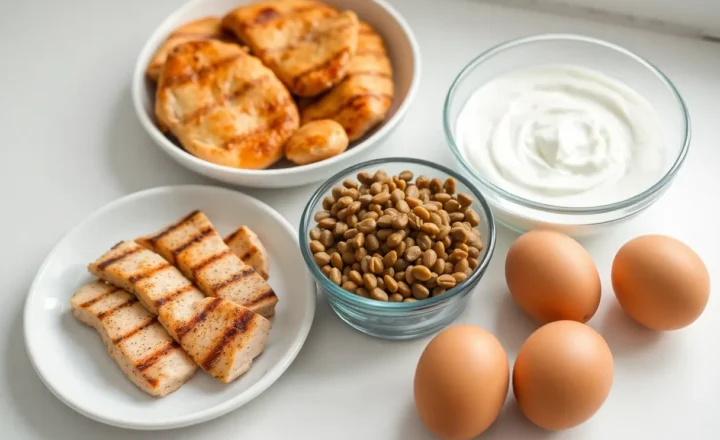





Meal prep has an image problem. Social media shows twenty identical boxes of chicken, rice and broccoli, and most people decide it is not for them. A more useful version takes about 90 minutes on a Sunday and gives you building blocks rather than finished meals: a couple of proteins, a couple of carbs, roasted vegetables and a sauce. During the week, you combine them in different ways in a few minutes. Here is a system that works for one person or a small household.
Prep components, not whole meals
Cooking five identical lunches is efficient, but most people are bored of them by Wednesday. Cooking components gives you variety from the same effort. With two proteins, two carbs, two vegetables and two sauces, you can assemble many different bowls, wraps and plates.
A typical Sunday batch:
- Proteins: one tray of chicken thighs or tofu, and a pot of lentils or a dozen hard-boiled eggs.
- Carbs: a pot of rice or quinoa, and a tray of roasted potatoes or sweet potatoes.
- Vegetables: one big tray of mixed roasted vegetables, and one raw option such as shredded cabbage or salad leaves washed and dried.
- Sauces: one yogurt-based sauce and one dressing or salsa.
Building meals around a protein source also makes it easier to hit a daily target. Our guide to how much protein you need gives numbers to aim for.
Before Sunday: a ten-minute plan and one shop
The 90 minutes only works if you start with everything in the kitchen. On Friday or Saturday, take ten minutes to:
- Check what is already in the fridge and freezer.
- Pick your two proteins, two carbs, two vegetables and two sauces.
- Count meals: how many lunches and dinners will come from the prep, and how many are already planned elsewhere.
- Write one shopping list grouped by store section.
For one person covering five lunches and three dinners, roughly 1–1.2 kg of raw protein, 400–500 g of dry grains and 2–3 kg of vegetables is a reasonable starting point. Adjust after the first week.
The 90-minute timeline
The trick is to run the oven, the hob and your hands at the same time.
Minutes 0–15: heat and start the slow things
- Heat the oven to 220°C (425°F).
- Rinse and start the rice or quinoa on the hob, or in a rice cooker.
- Put eggs on to boil if using them, or start lentils.
- Chop potatoes and toss with oil and salt on a tray.
Minutes 15–40: two trays in the oven
- Potatoes go in first; they take longest.
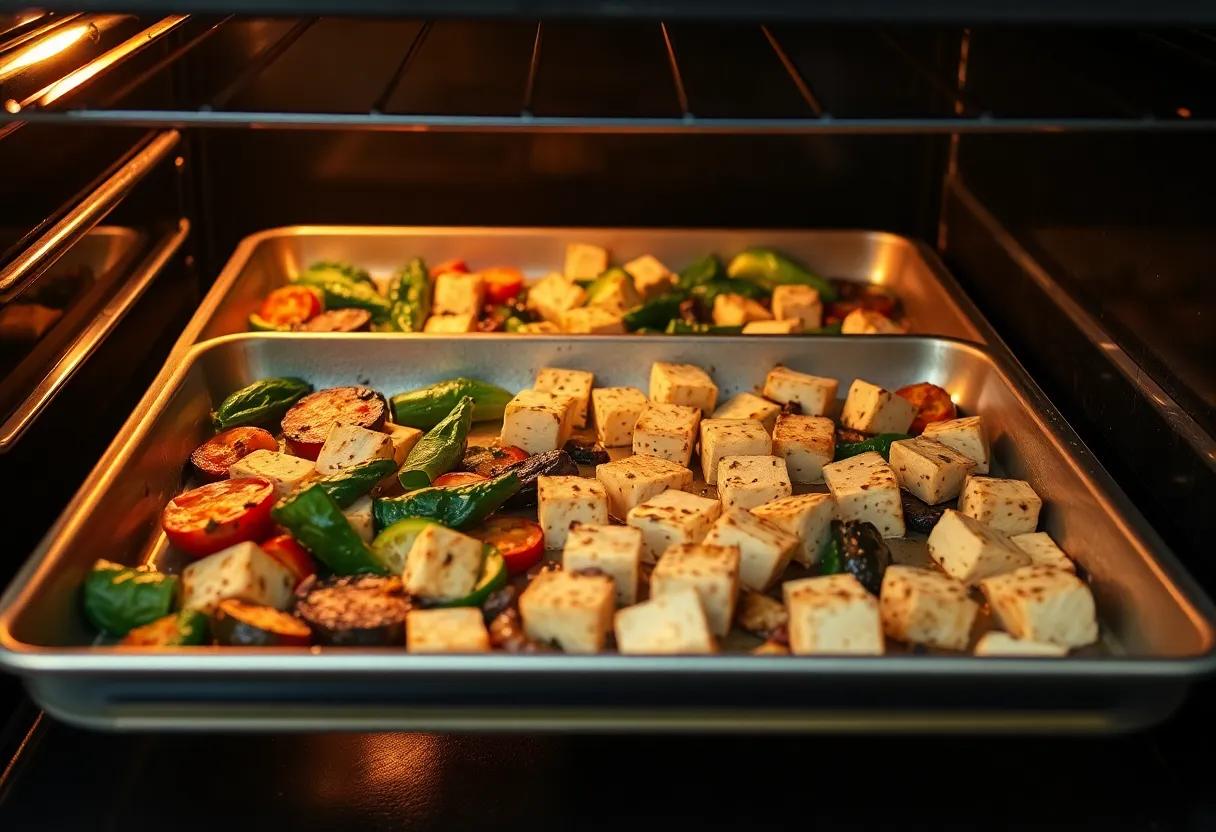
- Season chicken thighs or pressed tofu with spices and oil on a second tray. Put it in.
- Chop the mixed vegetables: peppers, onion, broccoli, courgette, carrots, whatever is in season.
Minutes 40–65: swap trays and make sauces
- When the protein is cooked through, take it out and put the vegetable tray in. Chicken should reach an internal temperature of 74°C (165°F).
- Drain eggs into cold water. Drain lentils and season them.
- Make the sauces: for example, Greek yogurt with lemon, garlic and herbs, and a simple vinaigrette or tomato salsa.
- Wash and dry salad leaves or shred cabbage.
Minutes 65–90: cool, portion and clean
- Spread hot food out to cool quickly. Do not leave cooked food at room temperature for more than two hours.
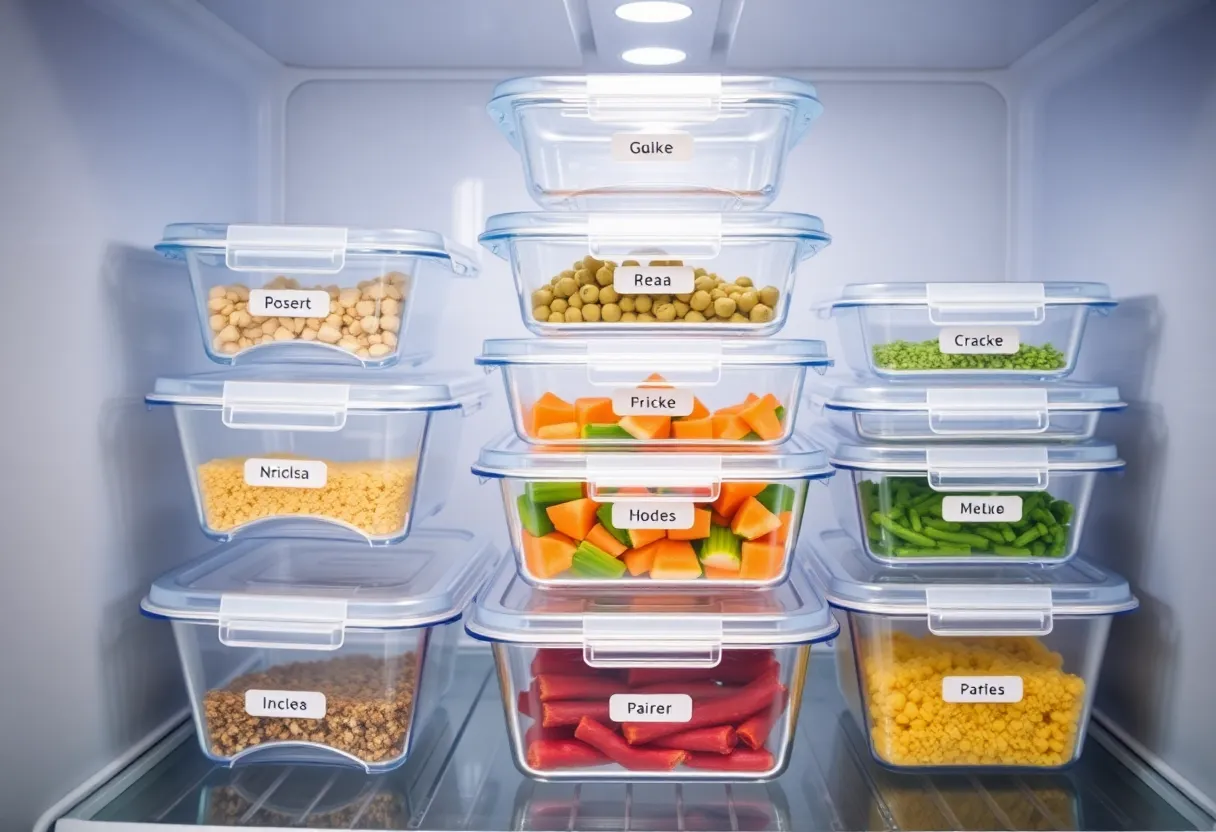
- Portion components into containers. Keep sauces separate so food does not go soggy.
- Wash trays and pots while the last items cool.
Storage times that keep food safe
US food safety guidance (FoodSafety.gov and USDA) suggests eating most cooked leftovers within three to four days when stored in the fridge at 4°C (40°F) or below. That shapes the plan:
- Keep Monday to Wednesday meals in the fridge.
- Freeze portions for Thursday and Friday, and move them to the fridge to thaw the night before.
- Cooked rice needs particular care: cool it quickly and refrigerate it within an hour or two, then reheat until steaming hot.
- Label containers with the cooking date.
Reheating so it tastes freshly made
Reheating is where a lot of prepared food goes wrong. A few habits help: add a splash of water to rice before microwaving and cover it so it steams; reheat roasted vegetables in a hot pan or oven for a few minutes to bring back some crispness; warm proteins gently rather than blasting them, which dries chicken out; and add sauces, fresh herbs and anything crunchy after heating. Food should be steaming hot all the way through before you eat it.
Five meals from one batch
Using the components above:
- Monday: rice bowl with chicken, roasted vegetables and yogurt sauce.
- Tuesday: potato and lentil salad with greens, eggs and vinaigrette.
- Wednesday: wraps with chicken, cabbage, salsa and yogurt sauce.
- Thursday: frozen portion of tofu and vegetables, reheated and served over rice.
- Friday: fried rice with leftover vegetables, an egg and soy sauce, made in ten minutes.
Changing the spices on the protein each week, for example smoked paprika one week and curry powder the next, keeps things interesting without new recipes.
Sauces that make the same food taste new
Sauces do most of the work of keeping prepared food interesting. Each of these takes under five minutes and keeps for several days in the fridge:
- Lemon-herb yogurt: Greek yogurt, lemon juice, grated garlic, salt and chopped dill or parsley.
- Peanut-lime: peanut butter, soy sauce, lime juice, a little honey or maple syrup and hot water to thin.
- Quick salsa: chopped tomatoes, onion, coriander, lime and chilli.
- Tahini dressing: tahini, lemon, garlic, salt and water whisked until smooth.
- Basic vinaigrette: three parts olive oil to one part vinegar, mustard, salt and pepper, shaken in a jar.
Vegetarian and vegan versions
The system works the same without meat. Swap the chicken tray for extra-firm tofu or tempeh, pressed and cubed, and replace eggs with a second legume: chickpeas roasted until crisp, or black beans seasoned with cumin. Edamame, lentils and Greek yogurt or soy yogurt sauces keep protein up. Seitan, if you eat gluten, is one of the most protein-dense plant options.
Keeping it cheap
- Chicken thighs, eggs, lentils, beans and tofu are among the least expensive proteins per gram.
- Buy vegetables that roast well and keep: carrots, cabbage, onions, broccoli, squash and frozen peppers.
- Frozen vegetables are nutritionally comparable to fresh and reduce waste.
- Cook grains and legumes from dry in larger batches and freeze portions.
Scaling it for a family
For two to four people, the method stays the same but the trays double. Use two oven shelves at once and rotate the trays halfway through so they cook evenly. Prep components that everyone eats, and let each person build their own plate: children can have plain rice and chicken while adults add sauces and spice. Cooking for more people often means prepping dinners rather than lunches, so plan three or four evening meals and leave the rest of the week flexible.
Containers and kit that save time
- Glass containers with locking lids: microwave-safe, do not stain, and last for years.
- Two large baking trays and baking paper: less scrubbing.
- A rice cooker: one less thing to watch.
- A digital kitchen scale: useful if you track portions or macros, and handy for consistent cooking.
- Small sauce jars: keep dressings separate until you eat.
Breakfasts and snacks in the same session
If your mornings are the problem rather than lunches, add one breakfast item to the prep. Overnight oats in jars, made with oats, milk or yogurt and fruit, keep for three to four days. Egg muffins, beaten eggs with chopped vegetables baked in a muffin tin, reheat in under a minute. For snacks, portion yogurt with fruit, cut vegetables with hummus, or a handful of nuts into small containers so they are as easy to grab as a packet of crisps.
Mistakes that make people quit by week three
- Cooking too much. Food you do not want by Thursday goes in the bin. Start with fewer meals and add more once you know what you eat.
- No flavour plan. Plain components get boring fast. Two sauces make the difference.
- Soggy food. Store dressings and crunchy items separately and add them when you eat.
- Trying new recipes every week. The speed comes from repetition. Change spices, not methods.
- Skipping the shopping list. A missing ingredient on Sunday breaks the timeline.
Adjusting the plan to your goals
If you are building muscle, increase the protein trays and keep carbs generous around training days. If you are trying to eat fewer calories, fill more of each container with vegetables and use the yogurt sauce rather than oil-based dressings. Either way, the system stays the same, only the proportions change. For calorie or weight goals tied to a medical condition, a registered dietitian can tailor portions to you. See our Health Disclaimer.
The first week will take longer than 90 minutes. By the third, most people know the order of jobs well enough to beat it.