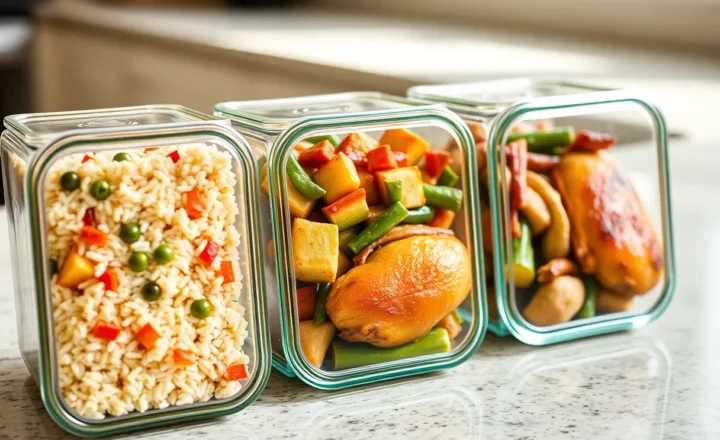



How Much Protein Per Day Do You Actually Need to Build Muscle?

Rosa Mendes
November 12, 2026
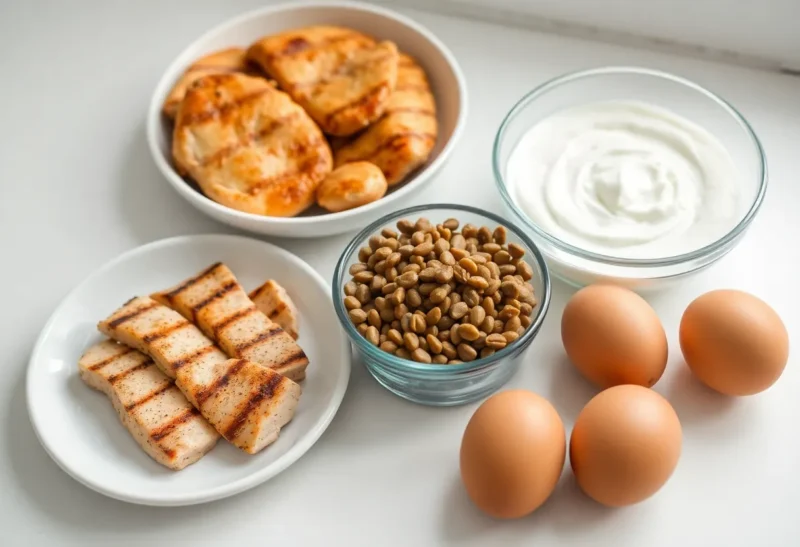
Protein advice swings between two extremes. Official nutrition labels suggest a modest amount, while gym culture talks about a gram per pound of bodyweight or more. Both numbers are real, but they answer different questions. One is the minimum to avoid deficiency in the general population. The other comes from people trying to add as much muscle as possible. If you lift weights and want to build muscle, the useful answer sits in between, and the research behind it is clearer than the noise suggests.
The official number is a floor, not a target
The Recommended Dietary Allowance (RDA) for protein in the United States is 0.8 grams per kilogram of bodyweight per day for adults. For a 70 kg (154 lb) person, that is about 56 grams. The RDA is set to cover the needs of nearly all healthy adults and prevent deficiency. It was never designed as the optimal intake for someone doing resistance training.
The Dietary Guidelines for Americans also give a wider range: protein can make up 10 to 35 percent of daily calories. On a 2,200-calorie diet, that range runs from about 55 to 190 grams, which shows how much room there is above the minimum.
What the research says for people who lift
The most cited analysis is a 2018 meta-analysis by Morton and colleagues in the British Journal of Sports Medicine, which pooled 49 trials of resistance training with and without extra protein. Gains in muscle mass levelled off at around 1.6 grams per kilogram per day. The authors noted that the upper confidence limit was about 2.2 g/kg, so some people may benefit from going a little higher, but returns shrink quickly past 1.6.
The International Society of Sports Nutrition’s position stand lands in a similar place, recommending 1.4 to 2.0 g/kg per day for most people who exercise.
In practical numbers:
- 60 kg (132 lb): about 95 g a day at 1.6 g/kg
- 70 kg (154 lb): about 110 g a day
- 80 kg (176 lb): about 130 g a day
- 90 kg (198 lb): about 145 g a day
The popular “one gram per pound” rule works out to 2.2 g/kg, the top of the useful range. It is not harmful for healthy people, but it is more than most need, and it can crowd other foods out of your diet.
If you carry a lot of body fat, use a target weight
Protein needs track lean mass more than total weight. For people with a higher body fat percentage, calculating from current weight can give a number that is hard to eat and higher than needed. A common workaround is to calculate from your goal weight or from height, for example using the weight that corresponds to a healthy BMI for your height. It is an approximation, but it keeps targets realistic.
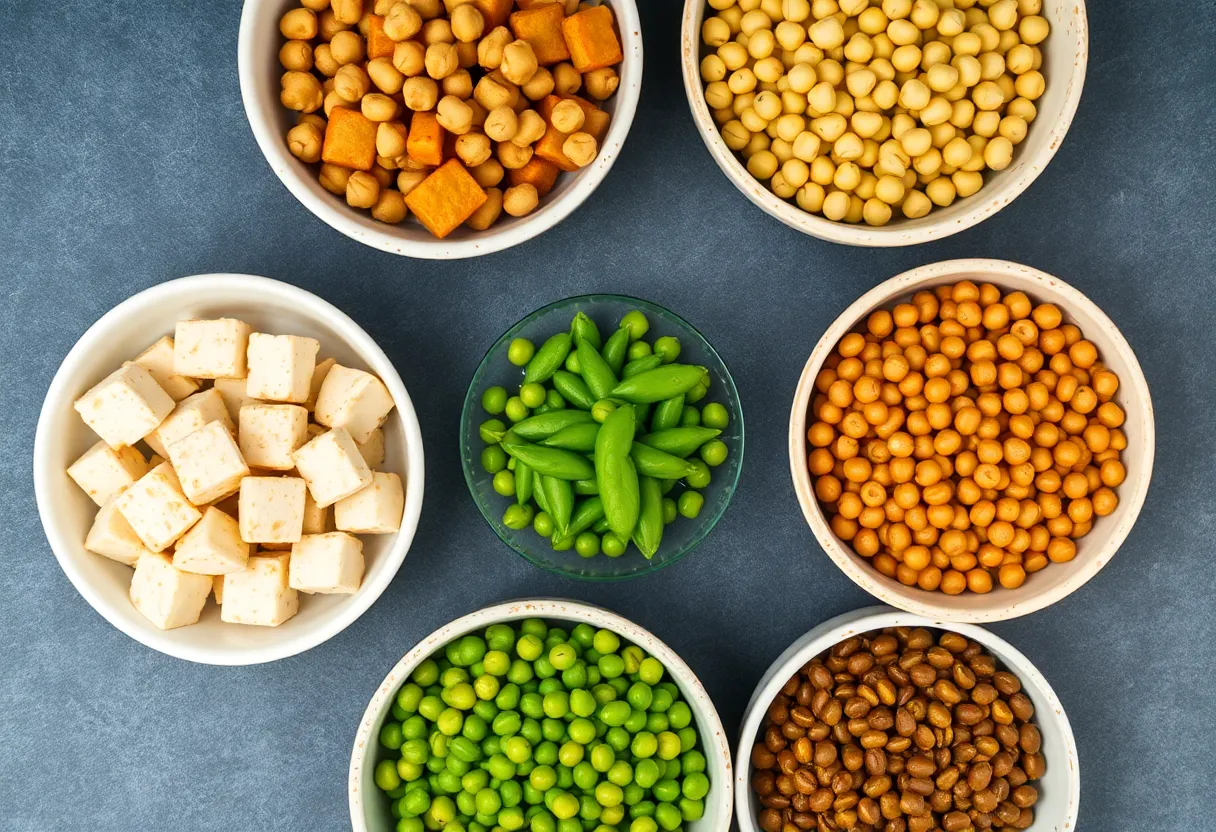
Spreading protein across the day
Muscle protein synthesis responds to each protein-rich meal, and research suggests that around 0.4 g/kg per meal, spread over three or four meals, is a reasonable way to reach a daily target. For a 75 kg person, that is roughly 30 grams per meal.
The total for the day matters more than exact timing. The “anabolic window”, the idea that you must eat protein within 30 minutes of training, has not held up well. Eating a protein-rich meal within a few hours either side of training is plenty for most people.
A simple pattern that works:
- Breakfast: eggs, Greek yogurt or cottage cheese, or a tofu scramble.
- Lunch: a palm-sized or larger portion of chicken, fish, tofu, tempeh or beans.
- Dinner: the same idea, with vegetables and a starch.
- One snack: milk, skyr, a protein shake, edamame or a handful of nuts with yogurt.
Grams of protein in common foods
Approximate values, which vary by brand and preparation:
- Chicken breast, cooked, 100 g: about 31 g
- Salmon, cooked, 100 g: about 22–25 g
- Greek yogurt, plain, 170 g pot: about 15–17 g
- Cottage cheese, 100 g: about 11 g
- Eggs: about 6 g each
- Firm tofu, 100 g: about 12–17 g
- Lentils, cooked, 1 cup (about 200 g): about 18 g
- Chickpeas, cooked, 1 cup: about 14 g
- Milk, 250 ml: about 8 g
You can check exact values for specific foods in the USDA FoodData Central database or on the nutrition label.
What 120 grams looks like across a day
For a 75 kg person aiming for about 1.6 g/kg, here is one way the day could add up, using approximate values:
- Breakfast: 200 g Greek yogurt with berries and a spoon of nuts, plus two eggs on toast: about 35 g.
- Lunch: rice bowl with 120 g cooked chicken or 200 g firm tofu, vegetables and a yogurt sauce: about 35–40 g.
- Snack: a glass of milk or soy milk and a handful of edamame: about 15 g.
- Dinner: 130 g salmon or a large portion of lentil stew with potatoes and greens: about 30 g.
Bread, grains, vegetables and nuts add a few grams each that are easy to forget, so most people who eat a protein source at every meal end up closer to their target than they expect.
Plant-based eaters can hit the same targets
Plant proteins tend to be a little lower in some essential amino acids, especially leucine, and a little less digestible than animal proteins. In practice, the gap closes if you eat a variety of sources across the day and aim for the upper half of the range, around 1.8 g/kg. Soy, lentils, beans, seitan and pea-based foods are the densest options. Combining legumes with grains through the day covers the amino acid profile without needing to pair them at every meal.
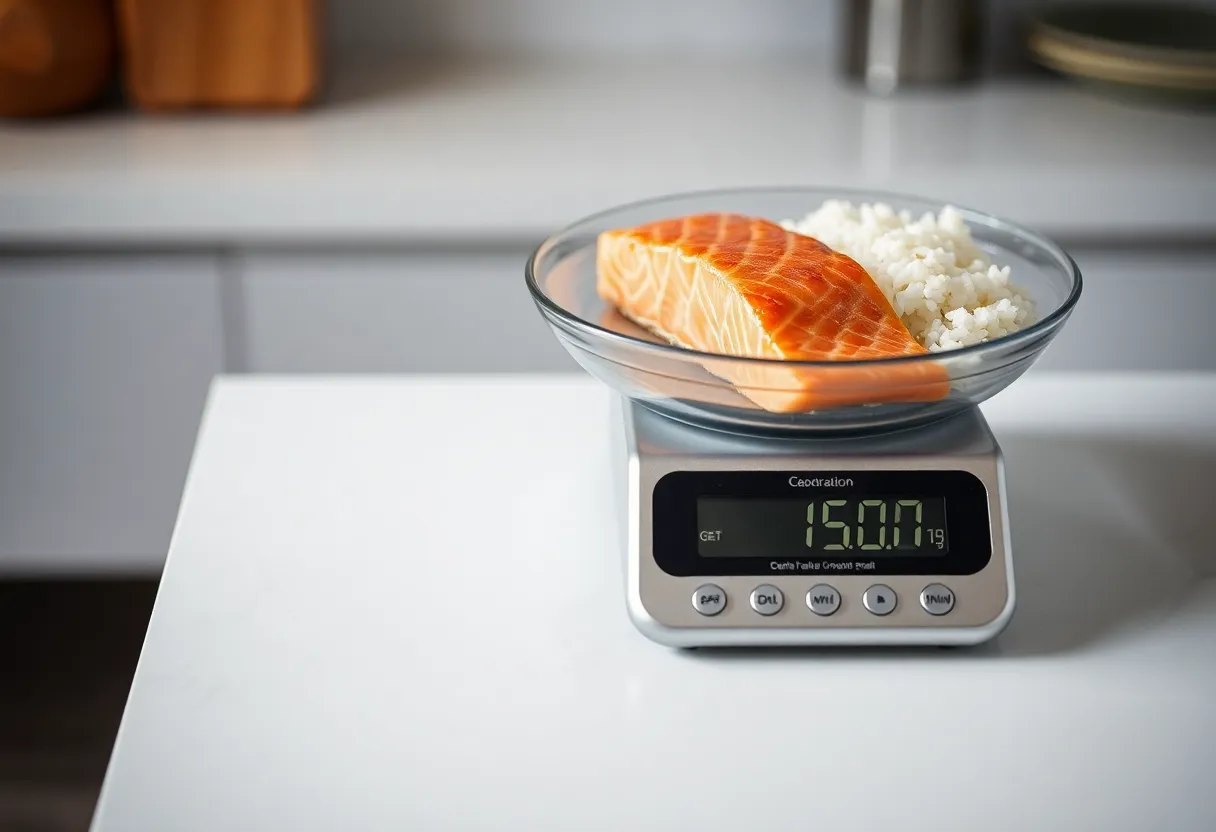
Older adults need more, not less
Muscle becomes less responsive to protein with age, a change sometimes called anabolic resistance. Expert groups such as the PROT-AGE study group have suggested that healthy adults over 65 aim for at least 1.0 to 1.2 g/kg per day, more than the general RDA, and more again for those who are active or recovering from illness. Larger protein servings per meal, around 25 to 40 grams, may also help older adults get a bigger response from each meal. Combining enough protein with resistance training is one of the best-supported ways to slow age-related muscle loss.
Protein while losing weight
When you eat fewer calories than you burn, some of the weight you lose can be muscle. Higher protein intakes, together with resistance training, help protect lean mass during a calorie deficit. Reviews of studies in lean, trained people dieting for fat loss have suggested intakes towards the upper end of the range, around 1.6 to 2.4 g/kg of bodyweight. Protein also tends to be filling, which can make a deficit easier to stick to. For large or rapid weight loss, or if you have a medical condition, get personal advice from a doctor or dietitian.
Do you need protein powder?
No, but it can be convenient. A scoop of whey or a plant protein blend typically adds 20–25 grams of protein with little else, which helps if your meals fall short or your appetite is small. If you use one, look for third-party testing marks such as NSF Certified for Sport or Informed Sport, since supplements are not checked for contents before sale in the same way as medicines. Whole foods bring fibre, vitamins and minerals that powders do not.
Is a high-protein diet safe?
For healthy adults, intakes in the 1.6–2.2 g/kg range have not been shown to harm kidney function in studies so far. The picture is different for people with existing kidney disease, who are usually advised to limit protein. If you have kidney problems, diabetes or another medical condition, or you are pregnant, talk to your doctor or a registered dietitian before raising your intake. Drink enough water, and do not let protein push vegetables, fruit and whole grains off your plate.
Counting protein without counting everything
You do not have to log every bite to hit a protein target. A simpler method is to count protein portions: decide on a portion that gives roughly 25–30 grams, such as a palm-and-a-half of meat or fish, a 200 g tub of Greek yogurt, or a large bowl of lentils, and aim for four of them a day. After a week or two of checking labels, most people can estimate well enough that the extra precision of a tracking app adds little.
How to tell whether your intake is working
Track two things for a month: your daily protein, using a food app or rough estimates, and your training progress. If you are lifting consistently, adding reps or weight over time, and recovering well between sessions, your intake is probably fine. If progress stalls and you are well below 1.6 g/kg, raising protein is one of the easier changes to try, along with sleep and total calories. Our guide to meal prep in 90 minutes shows a simple way to have protein-rich meals ready for busy days.
This article is general information, not personal nutrition advice. See our Health Disclaimer.