


Whoop vs Oura Ring: Which Recovery Tracker Fits the Way You Train

Daniel Okafor
November 12, 2026
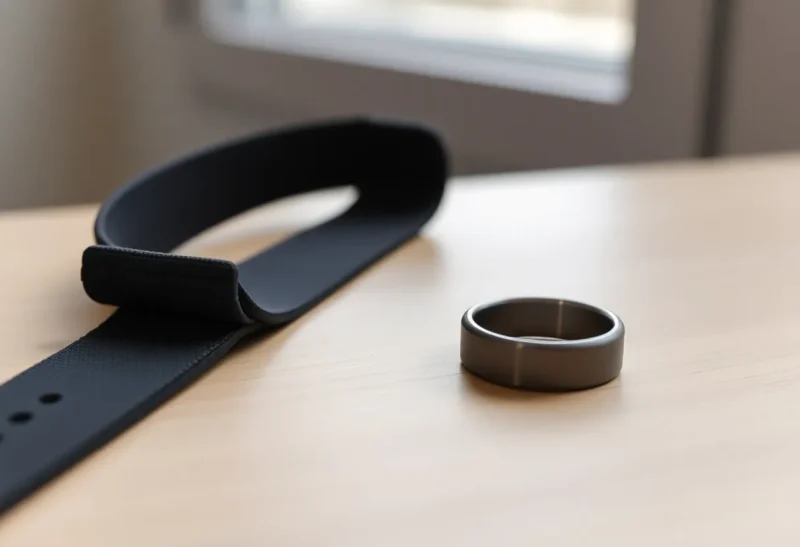
Whoop and Oura both promise to tell you how recovered you are each morning, and both lean on the same core signals: heart rate variability, resting heart rate, sleep and skin temperature. On paper they look like rivals. In practice they come from different directions, and the better choice depends less on sensor quality than on how you train, how you sleep and whether you are happy paying every month.
This comparison covers what each device measures, how they differ in daily use, and what you pay over two or three years. Product details and prices change often, so check the current versions before you buy.
A strap built around training load, a ring built around sleep
Whoop is a screenless band worn on the wrist or upper arm, or in compatible clothing. Its core scores are strain, a measure of how much cardiovascular load you have taken on in a day, recovery, a morning score based mostly on HRV, resting heart rate and sleep, and sleep performance against what it thinks you needed. The whole product is designed to answer one question: how hard should I push today?
Oura is a ring. Its headline scores are readiness, sleep and activity, and it adds features around cycle tracking, stress and daytime heart rate. It was designed first as a sleep and wellbeing tracker that happens to record workouts, rather than a training tool that happens to track sleep.
Neither device has a screen or built-in GPS. Both rely on a phone app for everything, and both can pull workouts from other apps and services.
How each device handles a workout
This is where the difference matters most for people who train.
Whoop records heart rate continuously and treats every workout as strain. Lifting, a hard cycling session and a busy day on your feet all feed the same number, and the app suggests a target strain range based on your recovery. It also has a strength trainer feature that tries to account for lifting, which heart rate alone underestimates. For people who want one number to guide training volume, this is the main draw.
Oura tracks workouts too, and it can detect activity automatically, but a ring on a finger is a harder place to read heart rate during intense exercise. Gripping a barbell or handlebars squeezes the finger, and fast hand movement adds noise. Many lifters take a ring off for heavy sessions to protect it and the bar. Oura works best when your workouts are logged by a watch or another app and synced in.
If you already wear a GPS watch for running or cycling, both devices become supplements rather than replacements. The watch handles the session; the strap or ring handles the 22 hours around it.
Sleep tracking: where both are strong
Both devices estimate sleep stages, total sleep, time to fall asleep and overnight heart rate and HRV. Independent validation studies have found that consumer wearables are reasonably good at telling sleep from wake and at measuring total sleep time, and less reliable at splitting light, deep and REM sleep compared with a lab sleep study. That applies to both brands.
The practical differences come down to comfort. Many people find a ring easier to forget about in bed than a wristband, especially side sleepers. Others prefer a band because they already wear a watch-like device all day. Overnight HRV and resting heart rate are the most useful sleep-time numbers for training decisions, and both devices measure them while you are still, which is when optical sensors are at their best.
Recovery and readiness scores are trends, not verdicts
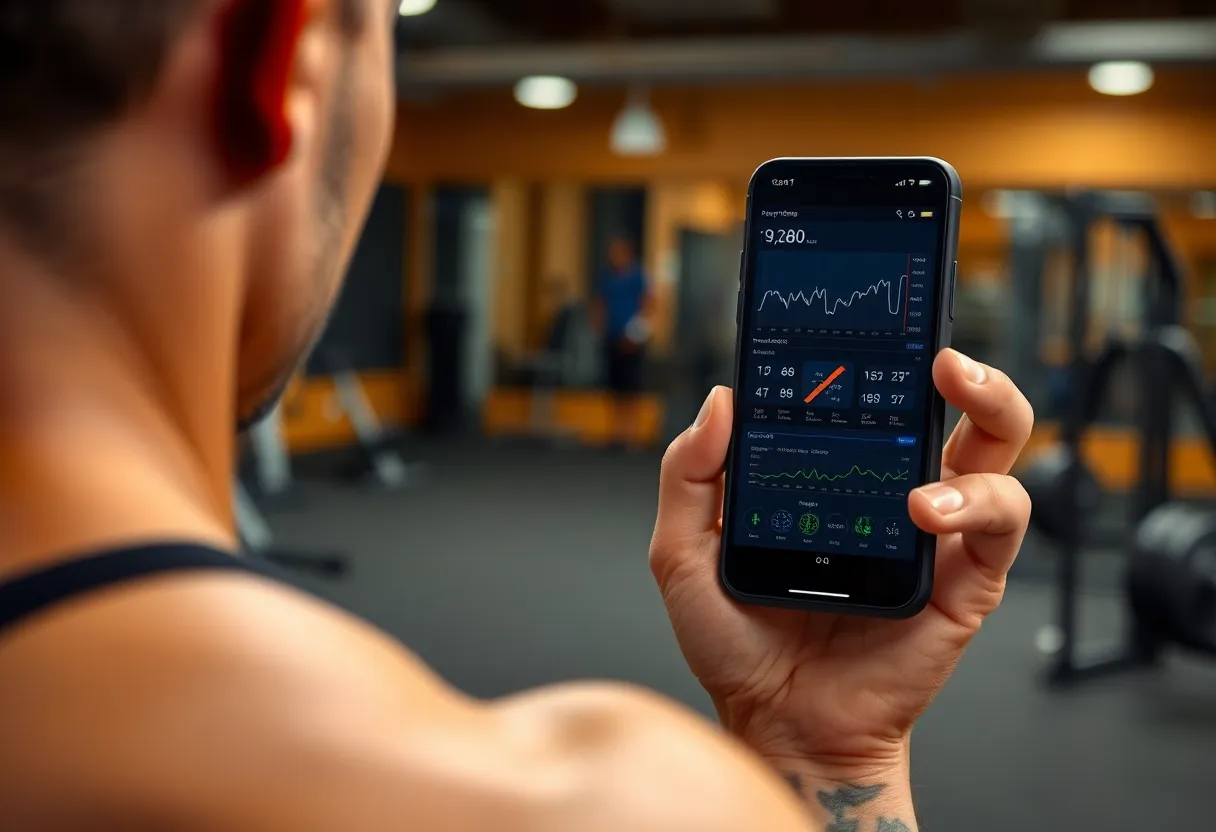
Both companies combine HRV, resting heart rate, sleep and sometimes temperature into a single morning score. The exact formulas are proprietary, so the scores are not directly comparable between brands. What matters is how a score moves against your own baseline over days and weeks.
A sensible way to use either score:
- Treat one low morning as a nudge, not an order. A late meal or a glass of wine can drop HRV for a night.
- Pay attention when several low readings stack up during a hard training block. That pattern is a good reason to consider a lighter week, as described in our guide to deload weeks.
- Look at the raw HRV and resting heart rate trend, not just the colour of the score.
Skin temperature trends can also flag the start of an illness a day or two early. Neither device is a medical tool, and both companies say so.
The real cost over three years
The pricing models are different enough that the sticker price is misleading.
Whoop sells a membership. The hardware is included, and you pay for the plan, monthly or for a year or two at a time. Stop paying and the band stops being useful. Whoop offers several membership tiers that unlock extra features, so check which tier includes the features you care about.
Oura sells the ring up front and charges a monthly membership for most of the app’s features. Without the membership, you see only basic scores.
To compare fairly, add up three years of each:
- Whoop: membership cost for 36 months at the tier you want.
- Oura: ring price plus 36 months of membership, and remember that ring sizing matters. Oura offers a sizing kit before you order.
Depending on current promotions, the totals often end up in a similar range. The difference is mostly in how you pay: Oura asks for more up front, Whoop spreads it out and gives you hardware upgrades as part of the membership.
Comfort, battery and the practical details
- Wearing it 24/7: rings are less noticeable in daily life; bands can move to the upper arm for sports where a wristband gets in the way.
- Charging: both last several days on a charge. Whoop uses a battery pack that slides onto the band so you can charge while wearing it. Oura goes back on a charging dock.
- Water: both can be worn in the shower and for swimming, within the limits each company lists.
- Lifting: rings can scratch or get damaged against bars and dumbbell handles. Bands can be worn on the bicep to stay out of the way.
- Data export and integrations: both connect with Apple Health and many training platforms. If you rely on a specific app, check the integration list first.
Your health data and who sees it
Both devices collect sensitive information: sleep, heart data, temperature and, if you use it, menstrual cycle tracking. Before you buy, read each company’s privacy policy and check what data is shared with third parties, how long it is stored, and how to export or delete it. Both offer data export, and both let you control which other apps can read your data through Apple Health or similar platforms. If you link the device to a workplace wellness program or insurer, check exactly what they can see.
Matching the device to the athlete
Whoop fits best if you train most days, care about balancing load and recovery, do a mix of lifting and cardio, and want one number to steer training. It suits people who like coaching-style feedback and do not mind a subscription.
Oura fits best if sleep, stress and general wellbeing are your main interest, you already use a watch for workouts, or you simply prefer wearing a ring. It suits people who train a few times a week and want insight into the rest of their life rather than a training dial.
Neither may be needed if you already own a recent sports watch that measures overnight HRV and gives a readiness or training-status score. Wear it to bed for a month and see whether the data changes any decisions before buying a second device.
Other trackers worth a look
Whoop and Oura are not the only options. Several smart ring brands now compete with Oura, some without a subscription, and many sports watches from Garmin, Apple, Polar, Coros and others measure overnight HRV and produce readiness or training-status scores. Fitness bands from mainstream brands offer basic sleep and heart rate tracking at lower prices. If the subscription is the sticking point, compare a ring or watch that includes its features in the purchase price.
Questions to ask before buying either
- Will I change my training based on a morning score, or just look at it?
- Am I happy wearing something to bed every night, long term?
- What will this cost over three years, including the subscription?
- Does it connect to the apps I already use, such as my training log or Apple Health?
If the honest answer to the first question is “just look at it”, start with the free features of a device you already own. If the answer is yes, either tracker can be a useful extra signal, as long as you treat its scores as one input next to how you actually feel in training.